Printable PDF Edition
Prefer a copy you can hold, reflect on, or share?
This article is available as a complimentary printable PDF for personal reflection, leadership conversations, team discussions, faith and community settings, or simply for reading away from the screen.
Read it. Print it. Reflect on it. Share the conversation. No email required.
But Our Relationship with Seeds Has Changed
Humans have been shaping plants through selection and breeding for thousands of years. Many foods we recognize today are the result of generations of agricultural knowledge and cultivation.
And not every seedless food is the product of a laboratory. Familiar foods such as seedless watermelon can be developed through conventional plant breeding. I prefer the seeded.
Today, however, agriculture also includes newer technologies capable of changing particular characteristics of plants.
That doesn't mean we need to fear our food. It means we should understand it.
- How was it grown?
- Where did the seed come from?
- How was the plant developed?
- What practices were used?
- What am I choosing to put into my body?
Food literacy begins with curiosity.
Ancient Wisdom Understood Small Beginnings
The Tao Te Ching reminds us that enormous things can begin from something seemingly insignificant:
A tree that fills a man's embrace grows from a tiny shoot. — Tao Te Ching, Chapter 64
Different translations render the passage somewhat differently, but the wisdom remains: do not underestimate small beginnings.
A seed certainly teaches us that. Inside something small enough to rest in the palm of your hand is the potential for roots, branches, blossoms, fruit — and another generation of seeds.
Perhaps that's one reason gardening can be so restorative. It reconnects us to processes we can easily forget:
Soil. Seed. Water. Sunlight. Season. Patience. Harvest. Gratitude.
You cannot rush every stage. You cannot harvest what was never planted. And you cannot remain completely disconnected from the source of your nourishment without eventually losing some understanding of how food comes to us.
Why I Believe Seed Stewardship Still Matters
Saving appropriate open-pollinated and heirloom seeds isn't simply nostalgia.
It can preserve varieties, gardening knowledge, cultural food traditions, and the ability to participate directly in growing some of what nourishes us.
You don't need acres of land to begin.
- A pot of herbs counts.
- A tomato plant counts.
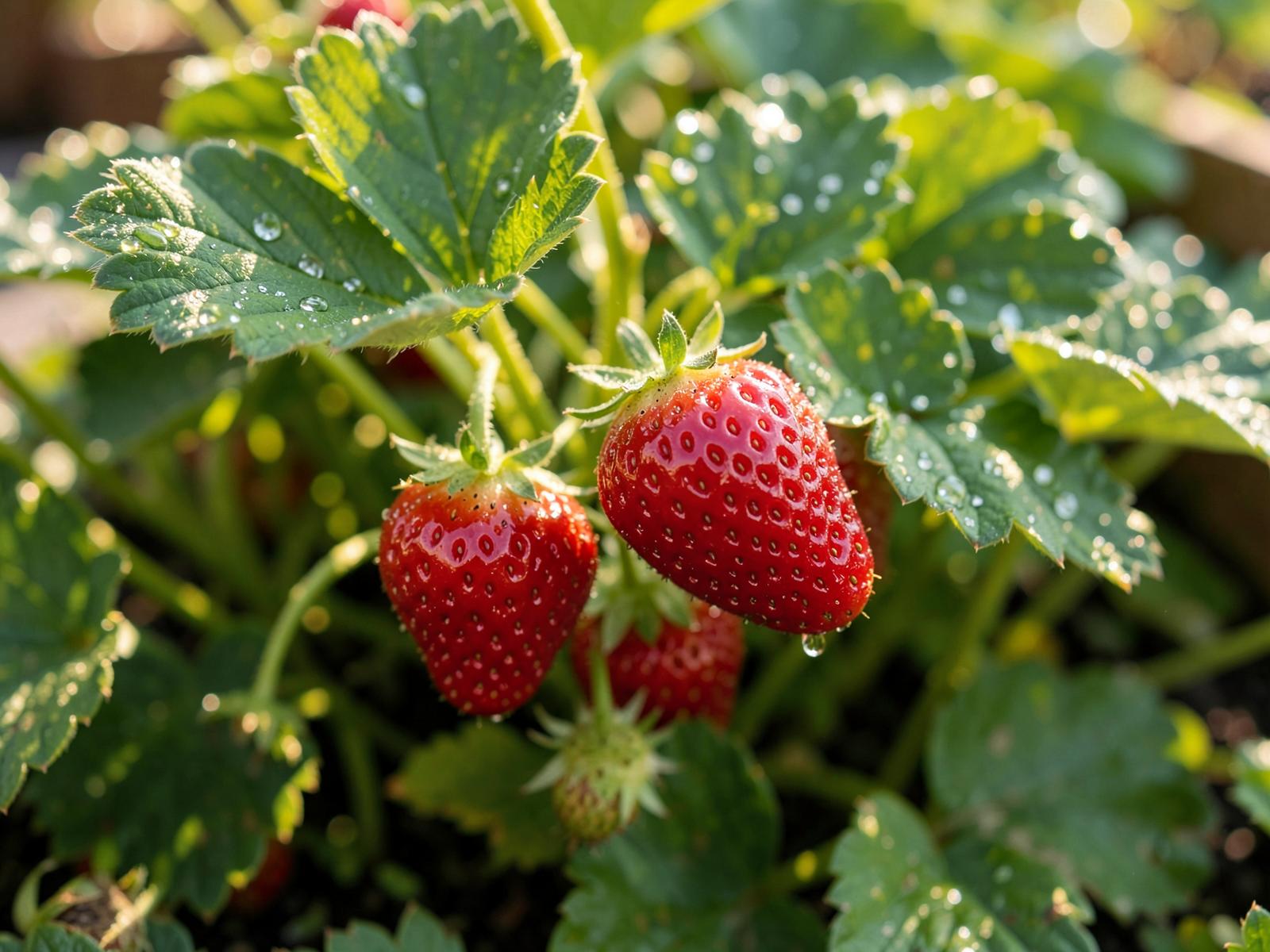
- Strawberries count.
- Learning where one item on your plate came from counts.
Because Garden Wisdom™ isn't about returning to another century. It's about carrying wisdom forward as the world changes.
Take Your P.U.L.S.E.™ in the Garden
Pause long enough to hold a seed in your hand. Consider what it carries. And ask:
How connected am I to the food that nourishes me?
Then perhaps plant something. Learn its story. Tend it. Watch what happens.
Because long before there is a harvest — there is a seed.
Garden Wisdom™ | Ultimate Wellness Journey™
Understand the Root. Restore the Whole.™